Books
Most strategy frameworks treat competitive advantage as static, but Helmer's key insight is that different powers matter at different stages. Some forces — like cornered resource or counter-positioning — are critical to get right at origination, while others like scale economies or process power only become relevant as you grow. That temporal dimension makes it genuinely useful at any point in a company's life.
CEOs set the pace of the company, period. Slootman says it best: "The role of a leader is to change the status quo, step up the pace, and increase the intensity. Leaders are the energy bunnies and pacemakers of the organization. You do it in every single conversation, meeting, and encounter. You look for and exploit every single opportunity to step up the pace, expect a higher quality outcome, and narrow the plane of attack. Then, you relentlessly follow up and prosecute at every turn. Yes, it is confrontational. That is pretty much what CEOs do all the time: confront people, issues and situations." Every page fills you with energy — the pace of the book mirrors the pace at which Frank has run his companies.
I rarely finish self-help books — most are heavy and leave you with no clear path forward. De Mello is different. The book's power is in its simplicity: a four-step program on Awareness. Identify the negative feelings in you. Recognize that they live in you, not in the world or in external circumstances. Stop treating them as core to your identity — they come and go. And understand that when you change, everything changes. Worth a read.
Has something for everyone. Pick any topic from the index and you'll find something that strikes a chord. Light read, gems thrown in throughout.
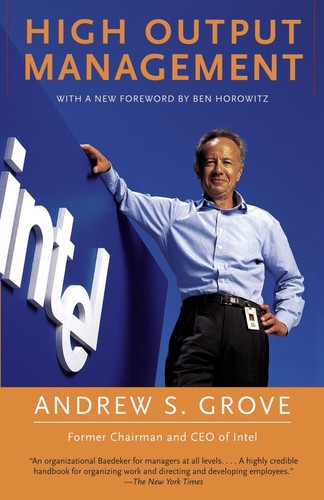
This book is pure gold! Grove's operating principles are deceptively simple; applying them with consistency is the real work. The deeper takeaway for me was realizing how much of building a business is just the unglamorous daily grind of managing people: handling egos, repeating yourself, keeping communication clear, and actually listening. You can return to this book any day and always leave with something new.
Needs no introduction. No matter what you do, just go read it.
An autobiography from 1926 with lessons as valid today as when it was written. The more autobiographies I read, the more I realise the fundamentals of business building haven't really changed. Firestone says it best: "The most difficult thing in business is first getting yourself to thinking and then getting others to thinking. In the natural course of business, an infinite number of details come up every day, and it is very easy to keep so busy with these details that no time is left for hard, quiet thought — for thinking through from beginning to end."
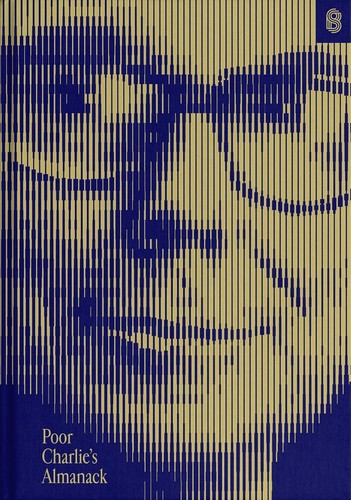
A towering collection of Munger's talks and interviews. If you read one book in your life, let it be this one. Restricting it to being about mental models alone would be a severe underestimation. Munger and Benjamin Franklin have had the biggest influence on my thinking in recent years — basic principles and virtues, applied and followed over a very long time, simply for the sake of doing so.
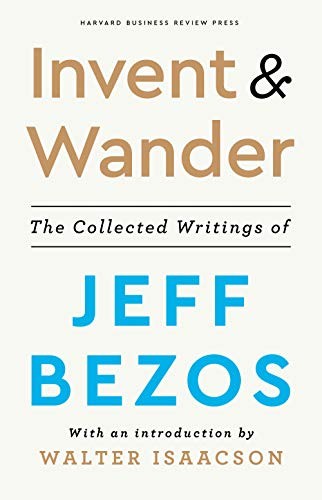
Bezos wrote each letter with utmost clarity of thought and vision. What doesn't change across 20+ years of letters is an unwavering commitment to the customer (the customer is divinely discontent), building for things that don't change over time, long-term orientation, high standards, and the Day 1 mentality (Day 2 is stasis). Some decision-making frameworks also stood out for me: reversible and irreversible decisions, paper cut teams, memo vs presentations, focusing on controllable inputs. His sign-off: "The world wants you to be typical — in a thousand ways, it pulls at you. Don't let it happen" is a gem.
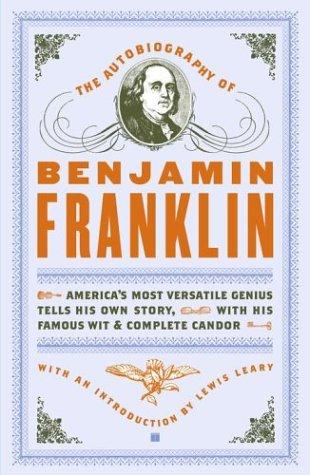
Franklin was the 15th of 17 children, born to a tallow chandler and soap maker, with barely two years of formal schooling. He went on to become perhaps the most remarkable polymath the US has produced. The book is about the virtues and simple life he lived by — industry, frugality, honesty, humility — followed consistently, not for recognition, just because they were right.
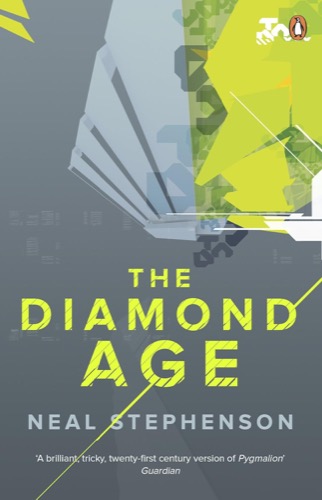
Worth reading for its tech-forward vision - personalised AI education, nanotech, centralisation vs decentralisation, and cultural tribes instead of nation-states. At its centre is a promising question: can you manufacture a founder? Be warned though - neither the plot nor the ideas quite land in the end.
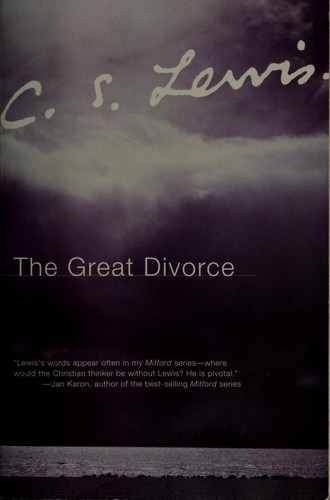
This book appealed to the philosopher in me. Simple premise: souls from hell are given a chance to visit heaven and the option to stay. Most don't. What struck me is how closely the plot maps to Advaitic philosophy — the idea that souls need to learn to let go of ego, identity, attachment to the subtle body. "Deha-abhimaan" in another language. Not clear if Lewis borrowed from Advaita. Not a cursory exploration of heaven and hell — a serious spiritual work.
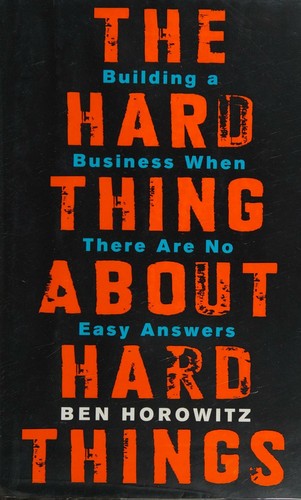
I read this about 10 years ago, just as it came out. Today, after a decade of trying to build a business from the ground up — many downs, handful of ups — every page resonates even more. All practical, no bells and whistles.
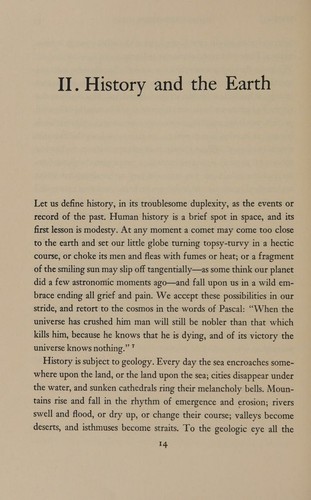
Will & Ariel Durant were among the greatest historians of the 20th century. This book, written in 1968, is their most concise primer on 5,000 years of human history — 12 essays of 5–10 pages each covering religion, currency, governance, war, and more. Information dense; may require more than one read. It did for me.
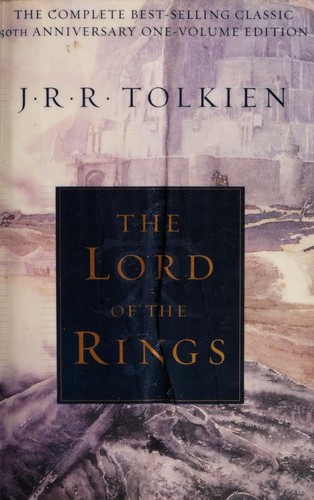
Perhaps the only fiction on this list, because I absolutely love it. A fictional universe unlike any other — or maybe not, if we're living in a simulation.
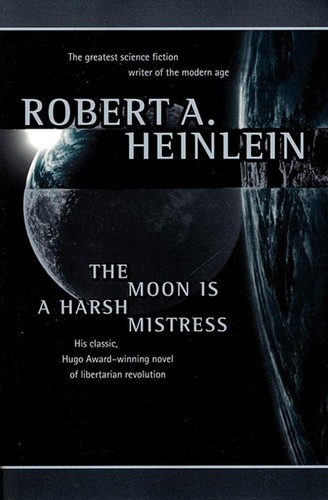
Another fiction I loved reading. Written in 1966, the book stars Mike — a supercomputer on the moon that becomes self-aware, develops dry humour, and helps plan an independence revolution on the lunar colony. Has shades of Orwell in its politics. In 2026, Mike looks very real. Read it for the dry satirical humour alone.
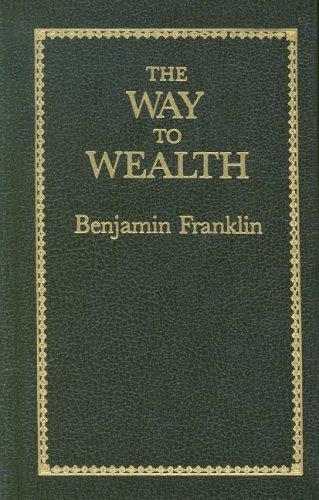
A quick read — a couple of hours at most. Full of one-line wisdom; a favourite: "a fat kitchen makes for a lean will." The core of it distills to five things: industry, self-reliance, frugality, charity, experience.
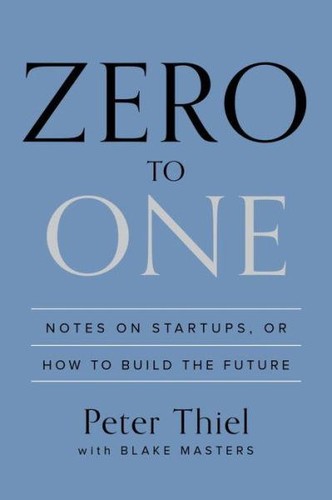
A few lessons that have stayed with me: avoid competition; evaluate the size of the prize before getting into a fight; even the most profitable companies will fail unless they keep doing the difficult work of creating new things; definite optimism — you are not a lottery ticket; the best problems to work on are often the ones nobody else even tries to solve.